
Introduction
As parents, we always strive to provide the best care for our children – from their physical health to their education. However, one crucial aspect that can often be overlooked is our child’s mental well-being.
In this article, we will explore valuable insights on how to support and enhance your child’s mental well-being through open communication, building resilience, and fostering healthy habits.
Understanding Mental Well-being
Understanding mental well-being is crucial in ensuring our children’s overall health and happiness. It goes beyond just the absence of illness; it encompasses emotional, psychological, and social aspects of a child’s development.
Mental well-being involves how children handle stress, relate to others, make choices, and navigate life’s challenges. It is about feeling good about themselves and being able to cope with everyday pressures. Factors like genetics, environment, experiences, and relationships all play a role in shaping a child’s mental well-being.
Recognising Signs of Distress

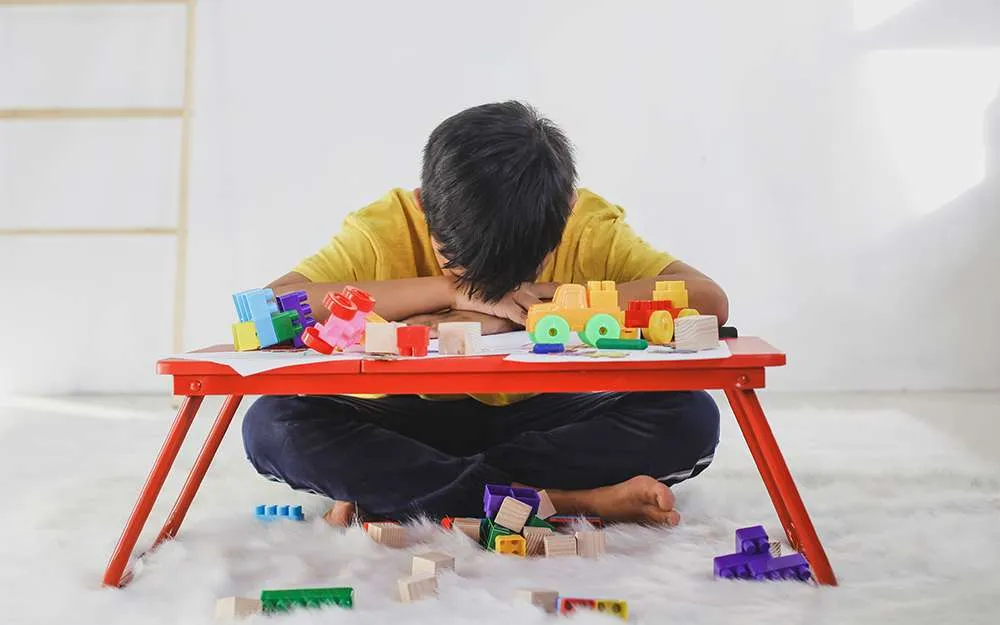
As parents, it’s crucial to be aware of the signs that may indicate distress in your child’s mental well-being. These signs can manifest in various ways and may not always be obvious at first glance.
Sudden Changes in Behaviour
Pay attention to any sudden changes, such as increased irritability, withdrawal from activities they once enjoyed, or difficulty sleeping. These could all be potential indicators that something is bothering your child.
Physical Changes
Physical symptoms like frequent headaches or stomach aches without any underlying medical cause should also not be ignored. Sometimes, children may express their emotional struggles through physical discomfort.
Social Changes
Keep an eye out for changes in academic performance or social interactions. If your child suddenly starts struggling with schoolwork or seems isolated from their peers, it could signal emotional distress.
Trust your instincts as a parent. If you sense that something isn’t quite right with your child, take the time to have an open and honest conversation with them about how they are feeling.
Open Communication
Open communication is key when it comes to taking care of your child’s mental well-being. It’s important to create a safe space where your child feels comfortable expressing their thoughts and emotions without fear of judgement.
Things to consider when communicating with your child
- Encourage open dialogue.
- Take the time to listen actively when your child talks to you.
- Put away distractions, make eye contact, and show genuine interest in what they have to say.
- Be mindful of your own communication style.
- Practice empathy, validation, and reassurance to foster trust and openness in your relationship. Avoid being dismissive or critical when discussing sensitive topics with your child.
Building Resilience
Building resilience in children helps them bounce back from challenges and setbacks stronger than before. These are some ways to foster resilience with your child.
Encouraging a positive mindset
One way to foster resilience is by encouraging a positive mindset. Teach your child to see obstacles as opportunities for growth rather than reasons to give up. Hope Channel has shared several tips on how to overcome your child’s negative thinking that you can use for your family.
Promoting problem-solving skills
Encourage your child to think critically and come up with solutions when faced with difficulties. This can help them feel empowered and capable of overcoming obstacles.
Fostering strong relationships
A support system of family and friends can provide comfort and encouragement during tough times. Teaching empathy and communication skills can help children navigate conflicts effectively.
Healthy Habits for Mental Health
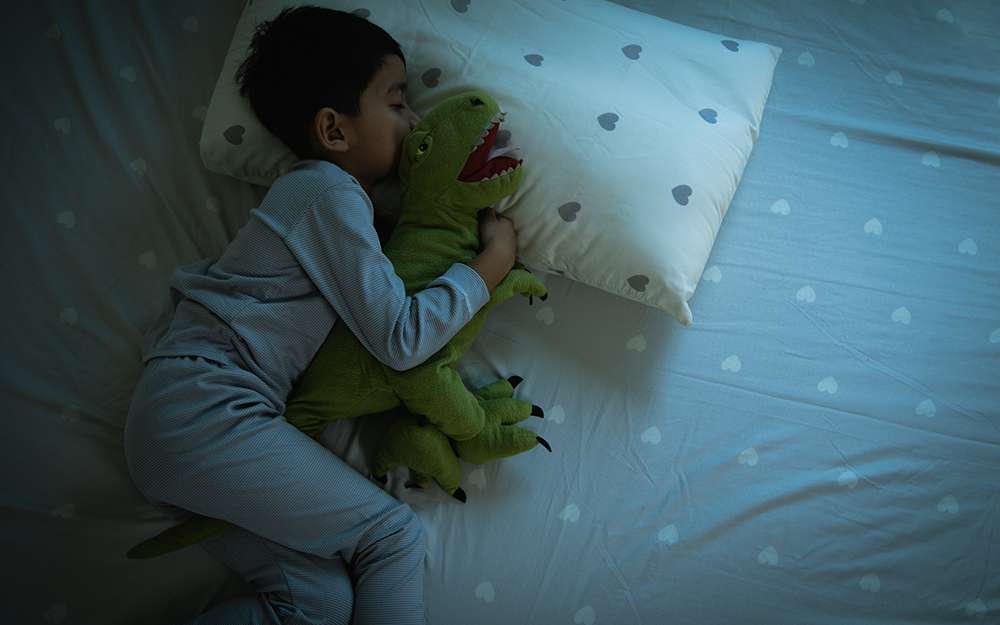
Ensuring your child’s mental well-being involves cultivating healthy habits that promote positive emotions and resilience.
Keeping them active
Encouraging regular physical activity can boost mood and reduce stress levels. Whether it’s playing outside, riding a bike, or joining a sports team, staying active is key.
Eating healthy
A balanced diet rich in fruits, vegetables, whole grains, and lean proteins provides essential nutrients for brain function and overall well-being. Healthy eating habits can impact energy levels and mood stability positively.
Getting quality sleep
Sufficient sleep is crucial for cognitive function and emotional regulation in children. Establishing a bedtime routine helps promote quality rest, allowing the mind to recharge effectively.
Setting proper boundaries
Limiting screen time and encouraging activities like reading books or engaging in creative hobbies can help reduce feelings of anxiety or overstimulation. Kinder Kloud provides ways that you can help your child find and nurture their interest in a hobby.
Practising mindfulness
Teaching mindfulness techniques such as deep breathing exercises or guided visualisation can empower children to manage their emotions effectively when faced with challenges.
Seeking Help and Resources
Seeking help and resources for your child’s mental wellbeing is crucial in ensuring they receive the support they need. It’s important to remember that, as a parent, you don’t have to navigate this journey alone. There are various avenues available to assist you and your child in promoting positive mental health.
Fei Yue Family Service Centres
Fei Yue Family Service Centres help to provide families with information to widen their options for help and activities.
Fei Yue Early Intervention Programme for Infants and Children (EIPIC)
EIPIC provides early intervention services for children with developmental needs, including those related to mental health. By tapping into this specialised programme, you can access tailored support that addresses your child’s unique requirements.
Seeking Help
Reaching out to mental health professionals such as psychologists or therapists can offer valuable insights and strategies to enhance your child’s emotional well-being. These experts can provide guidance on managing challenges effectively and fostering a healthy mindset for your little one.
Conclusion
Taking care of your child’s mental wellbeing is a continual process that requires attention, understanding, and proactive measures.
By being aware of the signs of distress, fostering open communication, building resilience, encouraging healthy habits for mental health, and knowing when to seek help and resources, you can support your child in developing strong mental well-being foundations.